Thinking about adding an ADU to your Canoga Park property but not sure what is allowed or where to start? You are not alone. Many homeowners want extra space for family or rental income, and the rules can feel confusing. In this guide, you will learn what you can build, where you can place it, how much it may cost, and the steps to get permitted in the City of Los Angeles. Let’s dive in.
What counts as an ADU in Canoga Park
Accessory dwelling units are secondary homes on the same lot as a primary residence. In Canoga Park, within the City of Los Angeles, ADUs are permitted under state law and implemented by local city departments using objective standards.
ADU vs. JADU
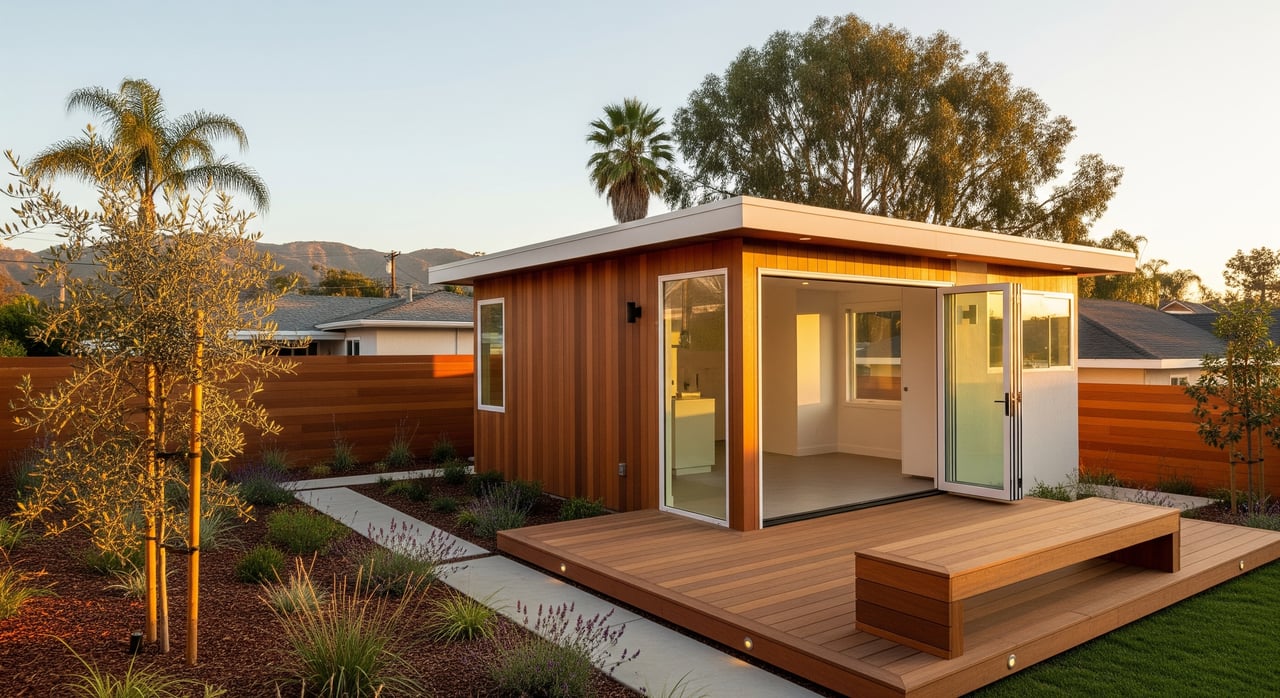
- ADU: A full independent unit that can be detached, attached, or created from existing space like a garage or basement.
- JADU: A junior ADU created from existing space within a single-family home, up to 500 sq ft, typically with a small kitchen or kitchenette.
- Conversion ADU: A unit created by converting existing permitted space. Conversions often follow different rules than new construction because you are reusing the structure.
Single-family vs. multi-family lots
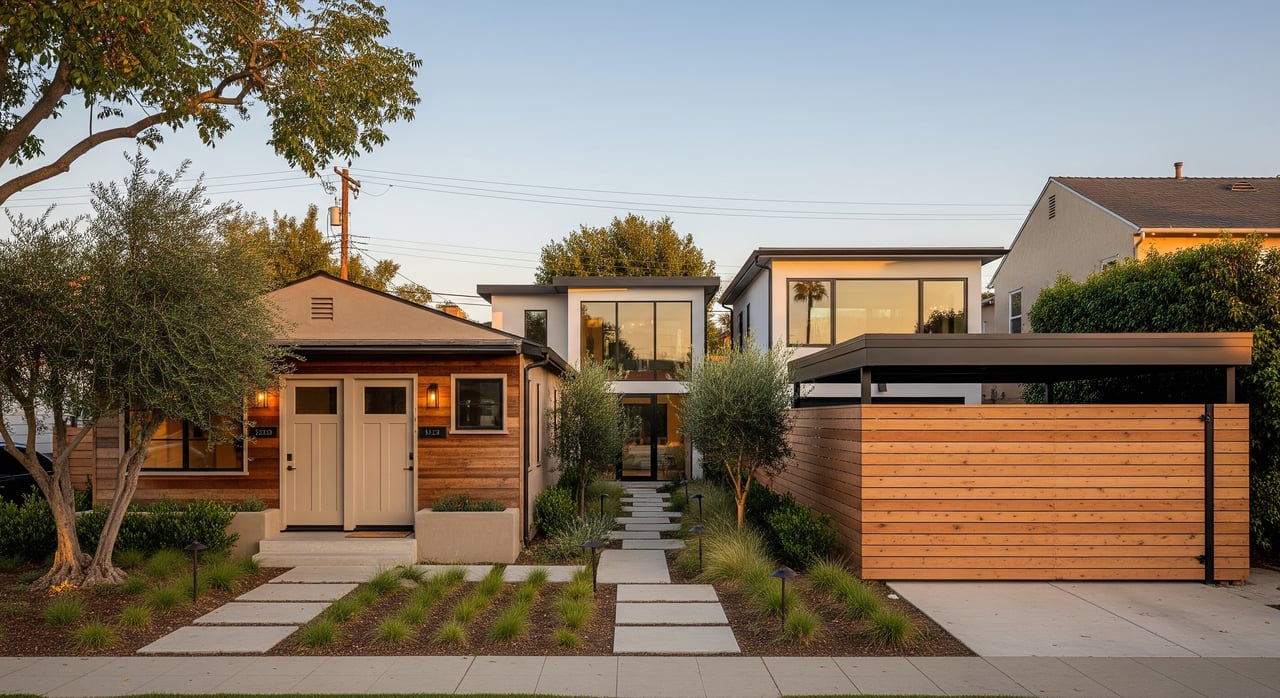
- Single-family lots are generally allowed one ADU plus one JADU, subject to size and placement standards.
- Multi-family lots can often add ADUs too. State rules allow additional ADUs under certain conditions, such as up to two detached ADUs or conversion ADUs created from unused space. Verify your parcel’s zoning and eligibility with Los Angeles City Planning and LADBS.
Size, height, and placement rules
State law sets the baseline and the City of Los Angeles applies objective standards. Always confirm specific limits for your parcel before you design.
Size caps you should know
- ADU size: Common maximum of up to 1,200 sq ft in many cases, depending on your lot, zoning, and whether the ADU is attached or detached.
- JADU size: Maximum 500 sq ft.
- Conversions: If you are converting existing space, local rules often allow you to convert the full existing area, even if it does not match new-construction caps.
Setbacks and height basics
- Setbacks: Detached ADUs commonly follow state minimums with 4 feet at the side and rear. Attached ADUs typically follow the main house addition setbacks. Check your zone and any overlays.
- Height: Limits vary by zone and design. Many small detached ADUs are one story with typical heights in the mid-teens, around 15 to 18 feet. Taller designs or units over a garage require careful review of zoning limits.
- Alleys and garages: Many Canoga Park homes have alley-access garages. You can often convert a garage to an ADU or build above it if setbacks and height limits are met.
Lot coverage and open space
- Los Angeles applies objective development standards such as lot coverage, floor area ratio, and open space where not preempted by state law. Your ADU design must fit within these rules as they apply to your parcel.
- Overlay zones, Historic Preservation Overlay Zones, or specific plans may add design standards or review. Always check for any overlays before you commit to a layout.
Parking, utilities, and fees
Parking and fees are often the biggest surprises in ADU planning. The good news is that many homeowners qualify for exemptions.
When ADU parking is not required
- Within one-half mile of a public transit stop: Additional ADU parking is typically not required.
- Conversions: If you convert existing space such as a garage or part of the home, added parking is commonly waived.
- Other common exemptions: Historic districts and areas with on-street permit parking can qualify for waivers.
- If no exemption applies, local rules may require up to one space per ADU. Confirm your site-specific requirement with the City.
Impact fees and utility connections
- ADUs under 750 sq ft often benefit from reduced or proportionate impact and utility fees. Larger ADUs can face fuller fees.
- Building permit and plan check fees apply in all cases. The City of Los Angeles publishes fee schedules and may offer limited incentive programs.
- Utilities: ADUs may share water and electric meters in many cases, but policies differ by provider. Check early with LADWP and SoCalGas regarding service, metering, and possible upgrades.
Cost and timeline in Los Angeles
Every site is different. These ranges are directional and reflect typical Los Angeles market conditions.
Typical ADU cost ranges
- Garage or interior conversion (studio or 1-bed): about $50,000 to $150,000, depending on structure condition, upgrades, and finishes.
- Attached addition ADU: about $100,000 to $300,000 for a modest one-bedroom layout.
- Detached new construction (about 400 to 900 sq ft): about $150,000 to $400,000+. Complex sites or high-end finishes can cost more.
- Many projects price out at $200 to $500+ per sq ft, depending on complexity and materials.
How long an ADU may take
- Feasibility and basic planning: 2 to 6 weeks.
- Architecture and detailed plan preparation: 4 to 12 weeks.
- Plan check and permits: 4 to 12 weeks for simpler conversions and 2 to 6+ months for new detached units, depending on submittal quality and reviews.
- Construction: 2 to 4 months for conversions and 4 to 9+ months for new detached builds.
Rental and financing considerations
ADUs can support multigenerational living or long-term rental income. Underwriting your project carefully can help you avoid surprises.
Rental economics in Canoga Park
- Rents vary by size, finishes, and market conditions. Studios and one-bedroom ADUs often produce competitive yields relative to cost.
- Build a simple pro forma that includes vacancy, management, insurance, utilities, and maintenance so you understand net income.
- Short-term rentals: The City of Los Angeles generally restricts short-term rentals to primary residences and requires registration. ADUs used as short-term rentals may be subject to stricter rules. Verify current policy before planning any short-term use.
Ways to finance an ADU
- Cash savings or a staged pay-as-you-go approach.
- Home equity options such as a HELOC or a cash-out refinance.
- Construction loans or specialized ADU financing products. Lender rules vary widely, so compare terms and ADU policies.
How to evaluate your Canoga Park lot
Before hiring a designer, confirm your parcel’s feasibility. A little homework will save you time and money.
Quick checklist to get ready
- Confirm zoning in ZIMAS or with Los Angeles City Planning.
- Note lot size, shape, and existing building footprints. Map likely ADU locations.
- Identify existing accessory structures and whether you have an alley-access garage.
- Check for overlays such as HPOZs, specific plans, or other special districts.
- Measure distance to the nearest transit stop to see if a parking exemption may apply.
- Review any HOA CC&Rs for ADU restrictions.
- Locate sewer and water connections and consider meter capacity and upgrades.
Two sample parcel scenarios
- Scenario A: 5,500 sq ft R1 lot with an existing alley garage. You may have high feasibility for a garage conversion to a studio or small one-bedroom. With setbacks and height confirmed, you may be able to build a ~400 to 700 sq ft detached ADU or an over-garage unit if your zoning and height limits allow. Parking exemptions often apply for conversions.
- Scenario B: 6,500 sq ft lot with a large backyard and no alley. A detached ADU in the rear yard may be feasible if setbacks and height limits are met. Expect higher costs than a conversion due to foundation work, potential sewer line extension, and possible meter upgrades.
Permit path and common pitfalls
Los Angeles approvals for ADUs are ministerial when you meet objective standards. You still need correct plans and inspections.
The typical permitting path
- Do a quick feasibility check with Los Angeles City Planning or a planning consultant.
- Hire an architect or ADU designer to prepare plans per LADBS requirements.
- Submit plans for plan check to LADBS and any required City Planning review.
- Address corrections, then obtain permits.
- Build and schedule inspections until final sign-off.
Pitfalls to avoid
- Assuming your entire backyard is buildable. Setbacks, coverage, easements, and utilities can reduce buildable area.
- Overlooking overlays such as HPOZs or any HOA CC&Rs.
- Underestimating utility connection costs, including sewer laterals and water service.
- Misreading parking exemptions. Verify your distance to transit and any permit parking rules.
- Planning for short-term rental income without reviewing the City’s short-term rental restrictions and registration requirements.
What this means for you
If you want space for family or long-term rental income, an ADU or JADU in Canoga Park can be a smart move. Start with a zoning check, sketch a few layout options, and talk to an ADU-savvy architect or contractor for ballpark costs. From there, refine your design to fit size, setback, height, and parking rules, and confirm fees and utility needs before you apply.
Ready to evaluate your specific property or explore homes with ADU potential in the San Fernando Valley? Reach out to Singh Sandhu for local guidance tailored to your goals.
FAQs
What sizes are allowed for ADUs and JADUs in Canoga Park?
- Many ADUs can be up to 1,200 sq ft, while JADUs are capped at 500 sq ft. Conversion ADUs can often use the full existing space being converted. Always verify exact limits with the City.
How close to the property line can I build a detached ADU?
- Detached ADUs commonly follow state minimums of 4 feet from side and rear property lines. Attached ADUs typically follow standard addition setbacks for your zone.
Do I need to add parking for my ADU in the City of Los Angeles?
- Often no. If you are within one-half mile of transit or converting existing space like a garage, parking is commonly waived. If not exempt, up to one space per ADU may be required.
How much does it cost to build an ADU in Canoga Park?
- Conversions often run $50,000 to $150,000. New detached units typically range $150,000 to $400,000+, with many projects pricing at $200 to $500+ per sq ft depending on complexity and finishes.
How long will the ADU process take from idea to move-in?
- Many projects take several months. Plan on 2 to 6 weeks for feasibility, 4 to 12 weeks for design, 4 to 12 weeks or longer for plan check, and 2 to 9+ months for construction depending on scope.
Can I build an ADU over my garage with alley access in Canoga Park?
- Often yes if setbacks, height limits, and structural requirements are met. Alley garages are common locally, but you must verify zoning and design standards for your lot.
Are impact and utility fees reduced for small ADUs?
- ADUs under 750 sq ft typically qualify for reduced or proportionate impact and connection fees, while larger units may face fuller fees. Confirm current fee schedules with the City.