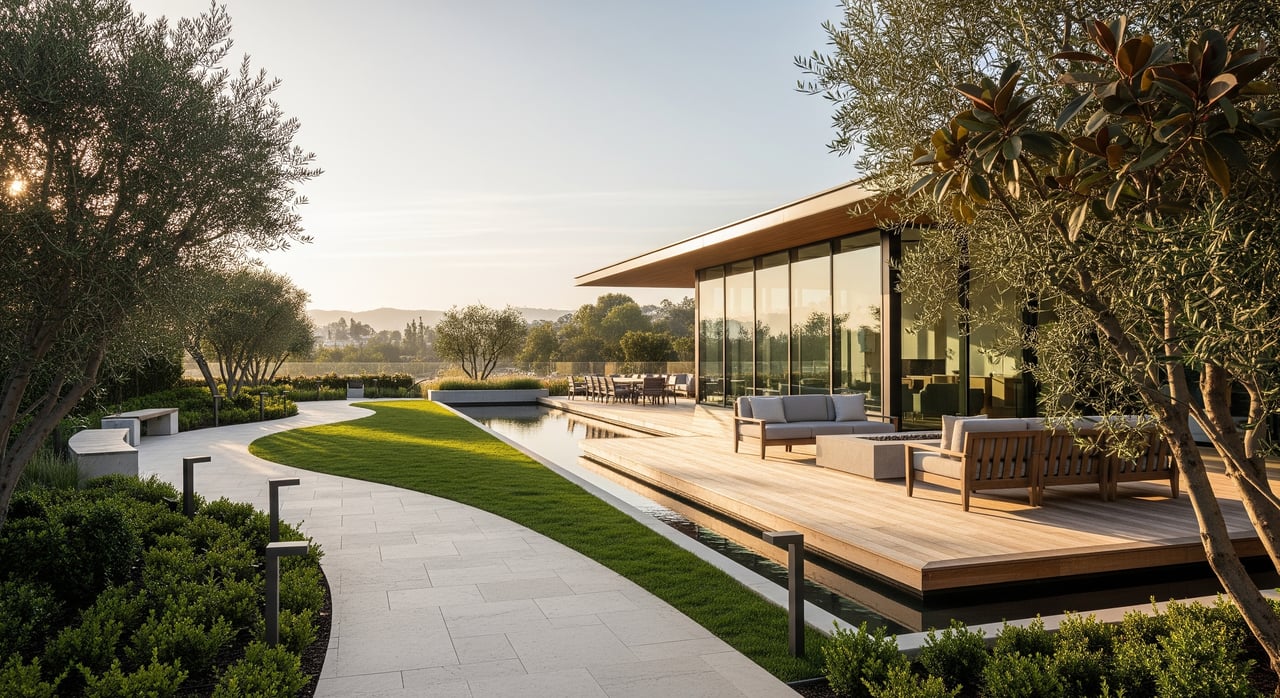
Hillcrest Amenities Guide: Clubhouse, Parks, and More
Thinking about a home in a community called “Hillcrest” and want a clear picture of the amenities before you commit? You are not alone. The name shows up in more than one Los Angeles neighborhood, and each community can offer a different mix of clubhouse features, parks access, and HOA rules. This guide explains what to expect, what to verify, and how to decide if a Hillcrest community in Los Angeles, including options near Pico‑Robertson or the Valley, fits your lifestyle. Let’s dive in.
Start by confirming which Hillcrest you are evaluating. Ask your agent or the HOA for the exact community name, boundaries, and whether it is a gated neighborhood, a condo association, or a single‑family HOA. This matters because amenities, access rules, and fees vary by development.
Once you know the exact community, request the current amenity list and operating schedule. Get the CC&Rs and house rules so you can see booking policies, age limits for facilities, and guest access details. This gives you a realistic picture of daily life.
Every Hillcrest is different, but most communities offer a familiar set of shared spaces. Use the notes below to match features to your daily routine and to spot any tradeoffs.
A clubhouse is often the heart of a community. Ask about the size, availability for private bookings, and fees or deposits. If you plan to host events, check the calendar and reservation rules, including hours, capacity, vendor policies, and cleanup requirements.
If there is a pool or spa, confirm seasonal hours, heating schedule, and safety policies. Ask whether lifeguards are present or if it is swim‑at‑your‑own‑risk. Clarify maintenance closures and how often the pool is serviced so you are not surprised by downtime during prime months.
Many communities offer a gym, tennis or pickleball courts, or a basketball court. Verify equipment lists, reservation systems, lighting for evening play, and any age restrictions. If fitness is a priority, ask how often equipment is replaced and who services it.
Tot lots and internal walking paths can be a daily convenience. Look for shade, surfacing, and posted safety inspections. If you enjoy morning walks or runs, ask about the length of internal paths and whether sidewalks connect safely to nearby streets.
Dog relief areas and waste stations make pet life easier. Confirm leash rules and where pets are allowed. For landscaping, ask about irrigation schedules and any water‑use restrictions, since drought rules may affect how green the community looks year‑round.
Guest parking varies widely. Ask how many guest spaces are available, whether permits are required, and how long visitors can stay. If you drive an EV, check for on‑site charging, rules for personal chargers, and any special electrical requirements.
Security features can include a manned gate, call box, fob or card access, cameras, and patrol services. Ask how guests, service providers, and rideshare drivers are admitted. Clarify whether there is on‑site management or a part‑time staff presence and how maintenance requests are handled.
Understanding what the HOA maintains versus what you maintain protects your budget. In many HOAs, common areas, gates, landscaping, and shared utilities are covered by dues. In attached communities, exterior walls and roofs might be included, but this depends on the CC&Rs.
Request the latest operating budget and a recent reserve study. Healthy reserves help fund long‑term repairs to amenities like pools, gates, and roofs without frequent special assessments. Ask for a history of dues increases and any planned capital projects that could add to costs.
Insurance is another key point. Review the master policy to see what it covers and where you need supplemental coverage, such as interior items or earthquake insurance. Clear answers here help you compare true monthly housing costs across neighborhoods.
Private amenities are a plus, but nearby public parks and trails can elevate everyday life. Map walking and driving times to the closest parks. Walkability depends on safe routes, lighting, and crosswalks, not just distance.
Look for pocket parks if you have young children, and for larger regional open spaces if you enjoy hiking or long runs. Check for restrooms, picnic areas, and dog‑friendly policies. If you plan daily dog walks or evening strolls, test the route at the times you would actually go.
Use nearby parks to complement on‑site amenities. For example, a community pool may be perfect for daily use, while larger public parks provide space for weekend gatherings, sports, or scenic hikes.
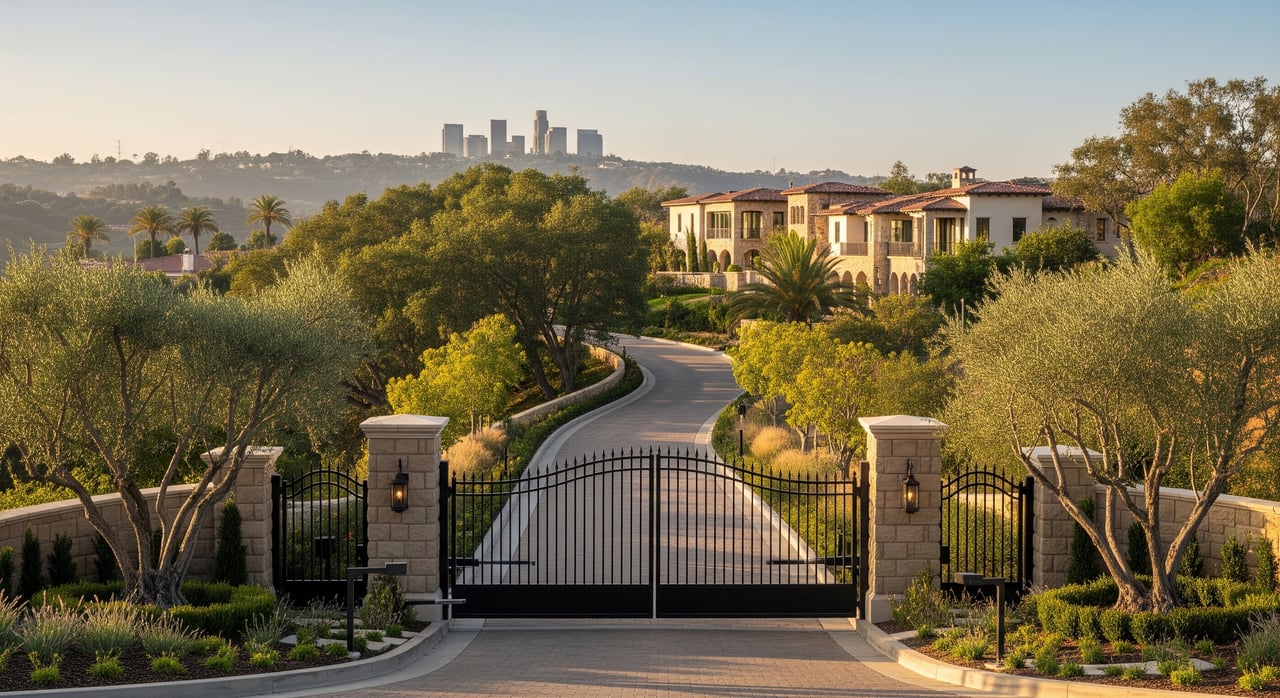
Gated access improves privacy and may add steps for guests and vendors. Ask how the call box works, whether guardhouses are staffed at all hours, and how packages are handled. Confirm where delivery drivers leave parcels and whether there are lockers or secure areas.
Service providers like movers and contractors may need advance notice or insurance certificates. Find out whether the HOA charges fees for moving trucks or if there are restricted hours. Ask how emergency vehicles access the community and whether gates comply with local fire codes.
Parking rules affect daily life. Clarify driveway and street parking policies, guest passes, and enforcement. If you plan to host frequently, make sure guest parking aligns with your plans.
Amenities can shape value in several ways. Well‑maintained common areas and landscaping boost curb appeal and buyer confidence. Unique features, like an exceptional clubhouse or private internal trails, stand out when you resell.
Balance dues against services you actually use. Higher dues may be acceptable if they cover meaningful items like security, landscaping, and a gym. On the other hand, low reserves or frequent special assessments can hurt affordability and reduce buyer interest.
Lifestyle fit also matters. If your household uses the pool, playgrounds, and gym weekly, those amenities are worth more. If you rely on nearby public parks, you might favor a community with lower dues and fewer private amenities.
Use this quick list to guide your due diligence and keep your notes organized:
If you are comparing a Hillcrest community with gated neighborhoods in Porter Ranch, focus on weekly lifestyle use. Ask how the clubhouse is booked, how often the pool is heated, and how guest access works during peak hours. Compare dues side by side, adjusting for services like security or landscaping that you would otherwise pay for separately.
Also consider commute routes and how quickly you can exit or enter a gated community during rush hour. If outdoor time is a priority, compare internal paths to regional parks and trailheads a short drive away. Choose the option that best matches your daily rhythm and long‑term plans.
Choosing the right Hillcrest comes down to clarity. Confirm the exact community, match the amenity mix to your routine, and review the HOA’s financials so there are no surprises after closing. If you want a local perspective on how Hillcrest compares to other gated neighborhoods in Los Angeles and the Valley, reach out to Singh Sandhu for a friendly, detailed walkthrough of your options.
Singh Sandhu is dedicated to helping you find your dream home and assisting with any selling needs you may have. Contact Singh today to start your home searching journey!